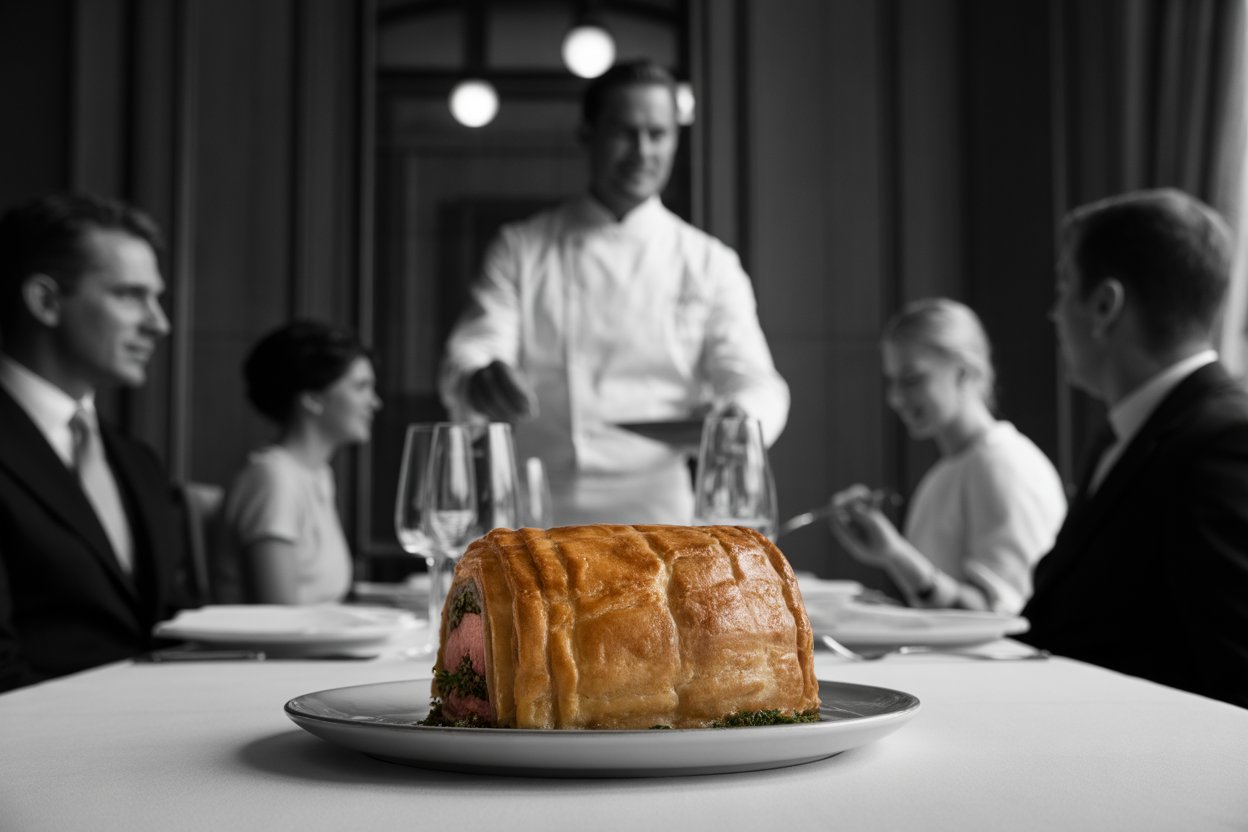
(and why we should fight for it before it disappears completely)
Handwork.
Tableside craft.
Real hospitality.
These aren’t trends.
They’re disappearing skills.
And if we don’t talk about them now – honestly, clearly, without nostalgia filters – we’ll lose them completely.
Not because guests don’t want them.
Not because chefs don’t care.
But because the industry slowly decided they were “inefficient.”
This is a story about Beef Wellington.
But it’s really a story about something much bigger.
It’s about the old magic of hospitality – and how quietly we’re letting it die.
handwork: we are losing it
We are losing handwork.
Not slowly.
Not quietly.
Not accidentally.
We’re watching it fade in real time – and pretending not to notice.
There was a time, not even that long ago, when the table wasn’t just where you ate.
It was where the craft happened.
Where the dish wasn’t finished in the kitchen – but in front of you.
Service wasn’t just service.
It was theatre.
Ritual.
Intimacy.
Choreography.
Mastery.
A table was a stage.
And the team behind that table?
Artists.
Somewhere along the way, we decided that this was optional.
Too slow.
Too expensive.
Too complicated.
So we removed it.
And with it, we removed something we don’t yet know how to replace.
the old french rooms – where hospitality felt like time slowing down
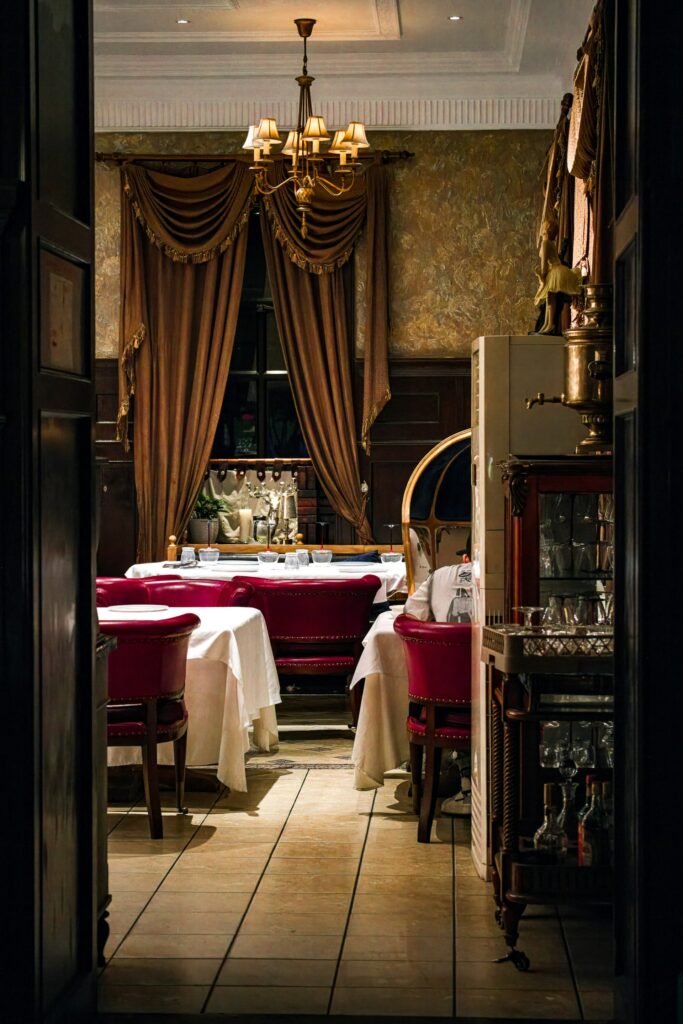
High ceilings.
Heavy drapes.
Walls that have seen centuries of people walk in hungry — and walk out changed.
A maître d’ moving slowly, intentionally, as if time itself respected him.
The soft wheels of a gueridon whispering across polished floors.
A silver pan warming over a small flame.
Butter melting.
Cognac rising into the air.
Crêpes Suzette bursting into fire like a tiny sun at your table.
The first time people saw tableside flambé, they didn’t think “content.”
They didn’t reach for their phones.
They thought:
Magic.
This wasn’t a performance designed to impress.
It was a ceremony.
Quiet.
Elegant.
Unforgettable.
A language without words.
You didn’t just eat the dish.
You witnessed it.
and then there’s spain – a different kind of theatre
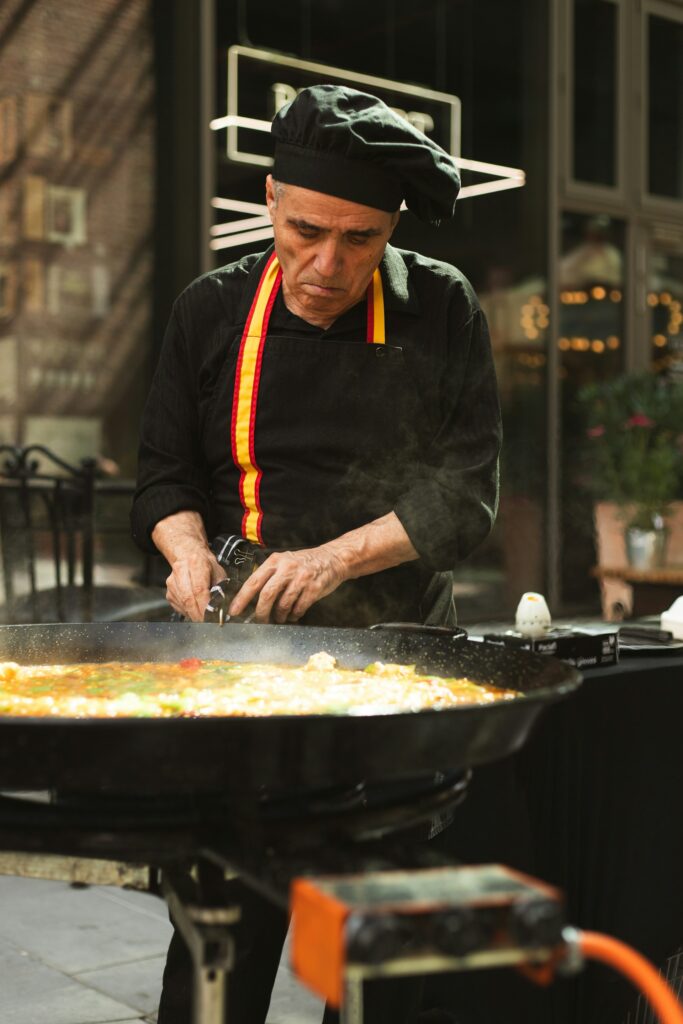
Spain tells the same story – just in a different accent.
Warm sand under your feet in a beachside chiringuito.
Plates clinking.
Waves close enough that you can hear the deep inhale of the sea.
A waiter carrying a salt-baked fish caught that very morning.
The crust cracked with the back of a spoon.
That soft, satisfying sound you feel in your chest.
Steam escaping like a secret finally revealed.
You tasted the fish before you ever tasted the fish.
This was hospitality you could feel –
before the first bite even touched your tongue.
No script.
No ego.
Just craft, done honestly, in front of you.
at the center of all this old magic: the beef wellington
And at the heart of this disappearing theatre stands the Beef Wellington.
Maybe the most iconic stage-piece of them all.
A Wellington doesn’t enter quietly.
It arrives.
Wrapped.
Rested.
Carried with both hands – like something sacred.
When it’s placed on the table, something rare happens.
Silence.
That kind of silence only a few dishes can command.
The first cut.
The pause.
The anticipation.
And then – the reveal.
The blush of perfectly cooked beef.
The layers.
The precision.
A Wellington isn’t just a dish.
It’s an announcement.
British roots.
French technique.
Decades of history as the centerpiece of grand dining rooms.
And most importantly:
It was never meant to be hidden in the kitchen.
It was meant to be finished in front of the guest.
That’s why its disappearance from tableside service matters more than people think.
why this magic is disappearing so fast
The reasons aren’t romantic.
Time sped up.
Dining rooms got louder.
Teams got smaller.
Budgets got tighter.
Training got shorter – or disappeared completely.
Guests were pushed to turn tables faster, not deeper.
And slowly, quietly, the handwork moved off the table and behind the pass.
Not because chefs don’t want to do tableside craft.
We do.
We love it.
We know it matters.
But the industry made it almost impossible.
Less staff.
Less time.
Less patience.
Less margin.
Less training.
And that loss is bigger than we’re ready to admit.
Because tableside craft gives guests something no Michelin star, no Instagram reel, no perfect plating ever will:
Connection.
Suspense.
Memory.
Presence.
Emotion.
We traded all of that away – for efficiency.
why tableside craft still matters more than ever
I’ve always fought for tableside craft.
And I always will.
I carve Wellingtons in front of guests.
I crack salt-baked fish open beside them.
I break open whole truffled poulards.
I flambé Baked Alaska right at the table.
Not to show off.
Not to create a spectacle.
Not to chase attention.
I do it because this is hospitality.
This is how moments are created – not just meals.
A dish arrives alive, not static.
A ritual guests become part of.
Craft you can see, smell, and feel.
This isn’t nostalgia.
This is connection.
And connection is the only real luxury left.
we talk about “experience” – but removed the one that mattered most
Hospitality today loves certain words:
Guest journey.
Storytelling.
Connection.
Experience economy.
Theatrical dining.
But quietly, we removed the most intimate experience of all:
Craft done directly in front of the person who will eat it.
Guests say they want:
More authenticity.
More emotion.
More connection.
More meaning.
You know what tableside service is?
Exactly that.
Yet instead of protecting it, we deleted it.
We replaced craft with speed.
Ceremony with convenience.
Skill with efficiency.
Memory with plating.
And now we wonder why so many restaurants feel interchangeable.
Once tableside service disappears –
once handwork is no longer taught –
once craft stops being passed down –
It won’t come back easily.
Traditions don’t die loudly.
They disappear through neglect.
One generation stops learning.
One restaurant stops offering it.
One manager skips training.
One owner decides it’s “too slow.”
And suddenly, the chain breaks.
we are not losing a technique – we are losing a feeling
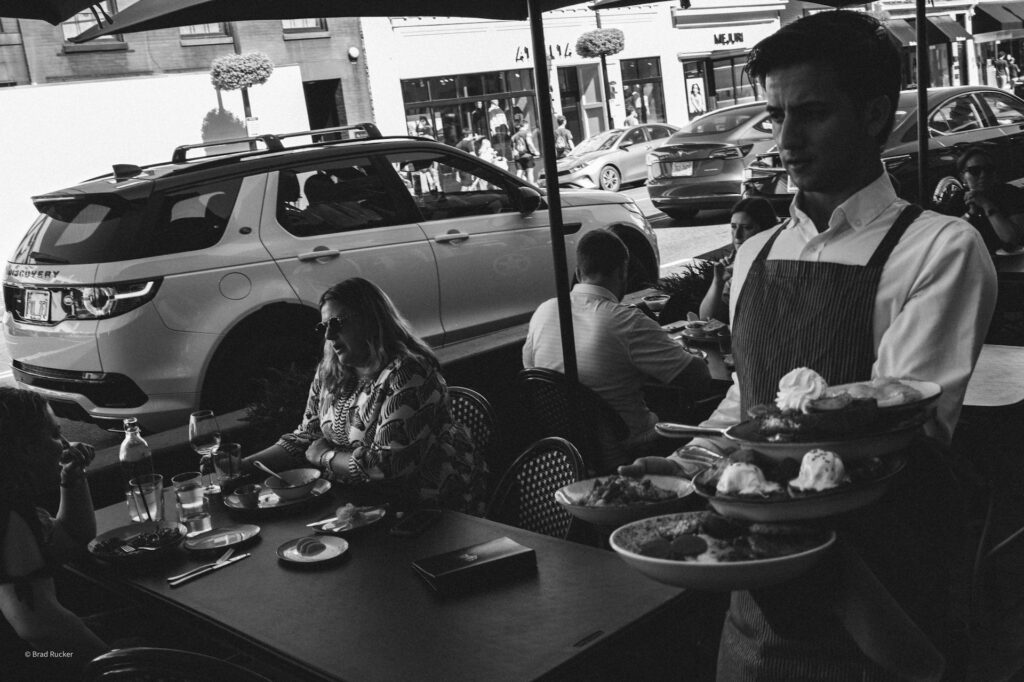
Tableside craft communicates something powerful:
“I’m here with you.”
“I’m finishing this for you.”
“I want you to experience the moment – not just consume the food.”
It builds trust.
It shows confidence.
It creates anticipation.
It slows time – in the best possible way.
Guests don’t love it because it’s luxurious.
They love it because it’s human.
And honesty has become the new luxury.
modern hospitality doesn’t need less craft – it needs more soul
This isn’t about turning restaurants into museums.
We don’t need to copy old-school service blindly.
But we do need to protect the rituals that created meaning.
That means teaching:
Knife skills.
Carving.
Gueridon work.
Flambé.
Tableside sauces.
It means building confidence – not just speed.
Designing dining rooms that allow for handwork.
Creating moments, not just meals.
Soul isn’t hidden behind the pass.
It’s created in front of the guest.
this is worth fighting for
Because when you break open a Wellington at the table…
When you flambé a dessert…
When you crack a salt crust…
When you carve a golden, steaming chicken…
Guests go silent.
And silence is the sound of people feeling something.
That’s the magic.
That’s the memory.
That’s why tablework matters.
If we lose this –
we lose something far bigger than a technique.
We lose what made hospitality worth loving.
If you want to bring this magic back —
if you want your team to learn the classics, the handwork,,
the old rituals turned new again —
📩 info@esenc.es
If this inspired you, follow me Norbert Jacniak : https://www.linkedin.com/in/norbert-jacniak/
Subscribe to my newsletter: https://www.linkedin.com/newsletters/culinary-intelligence-more-7374102977458016256/
And step behind the curtain of the world’s most exclusive tables.
Because luxury isn’t what you buy.
It’s what you build.